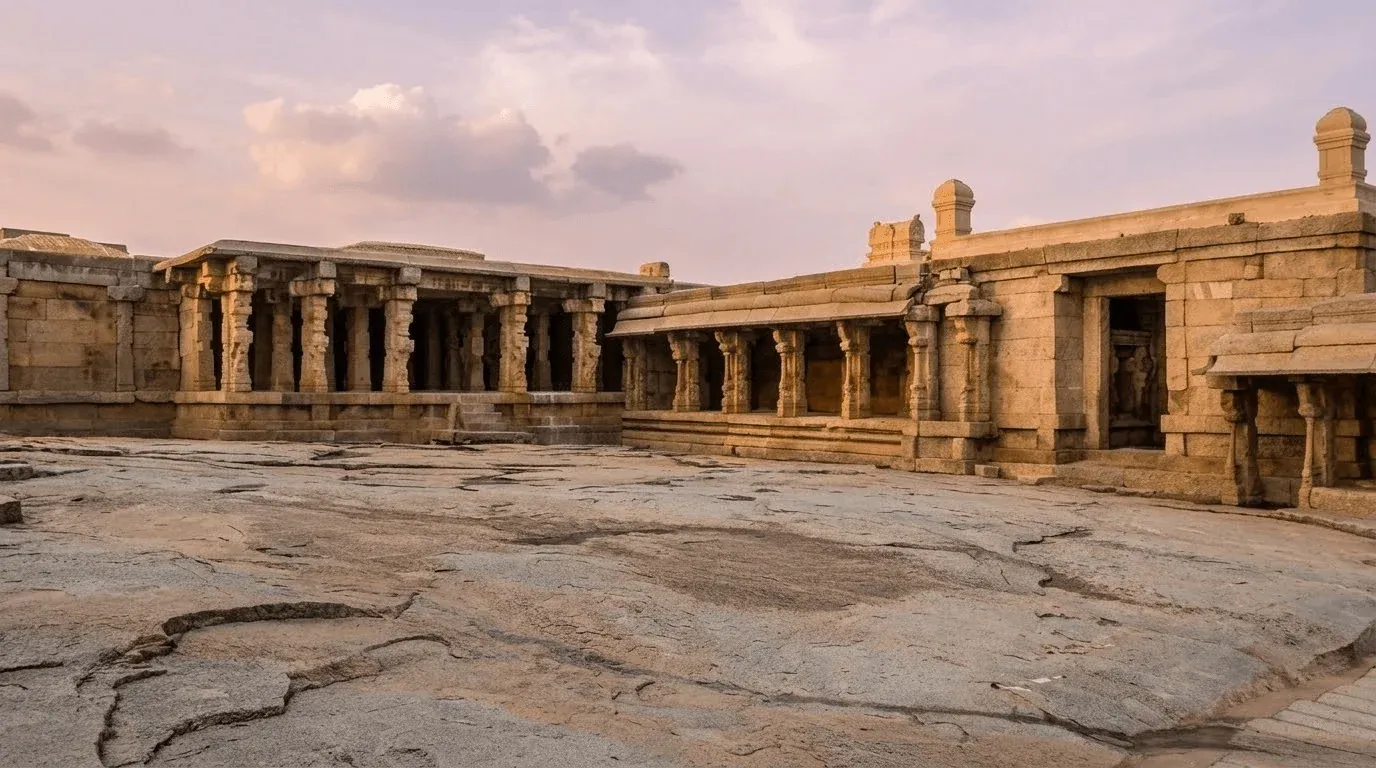
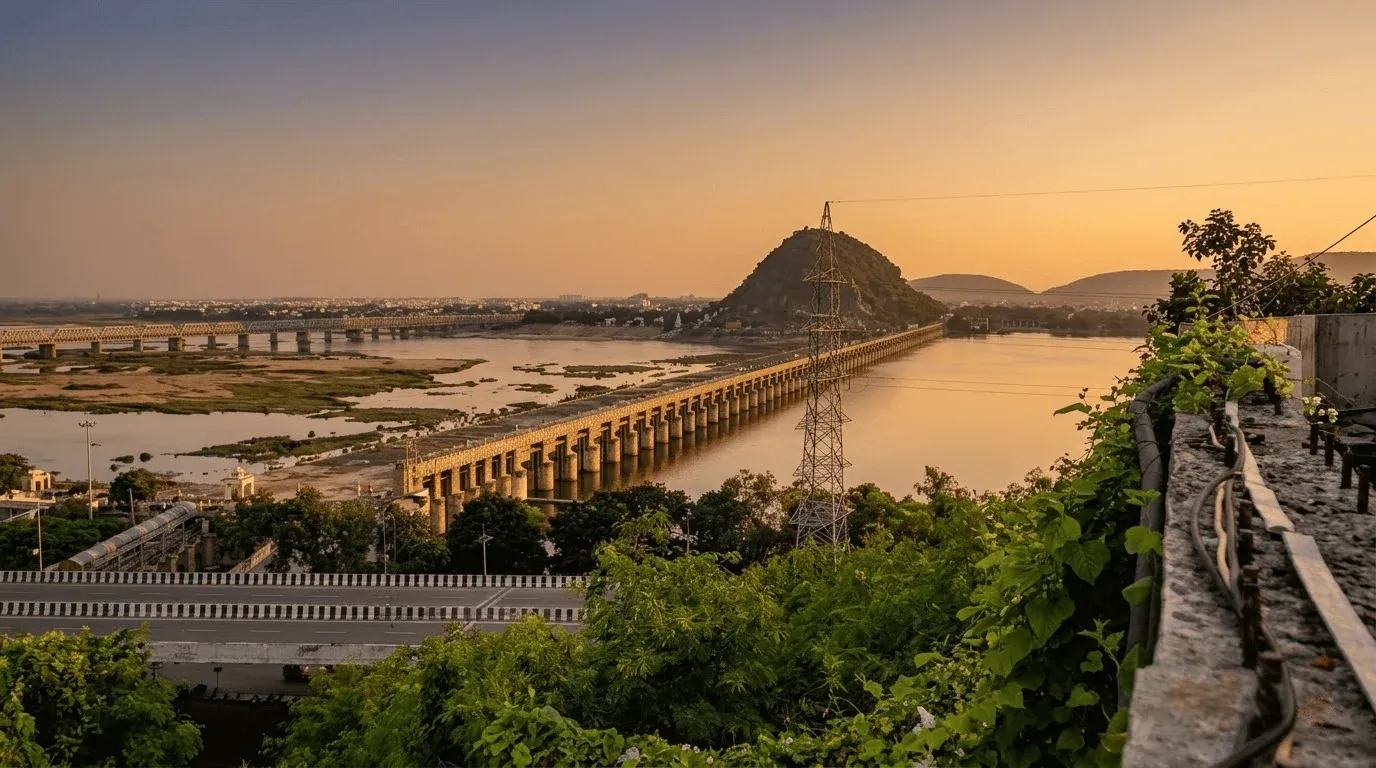
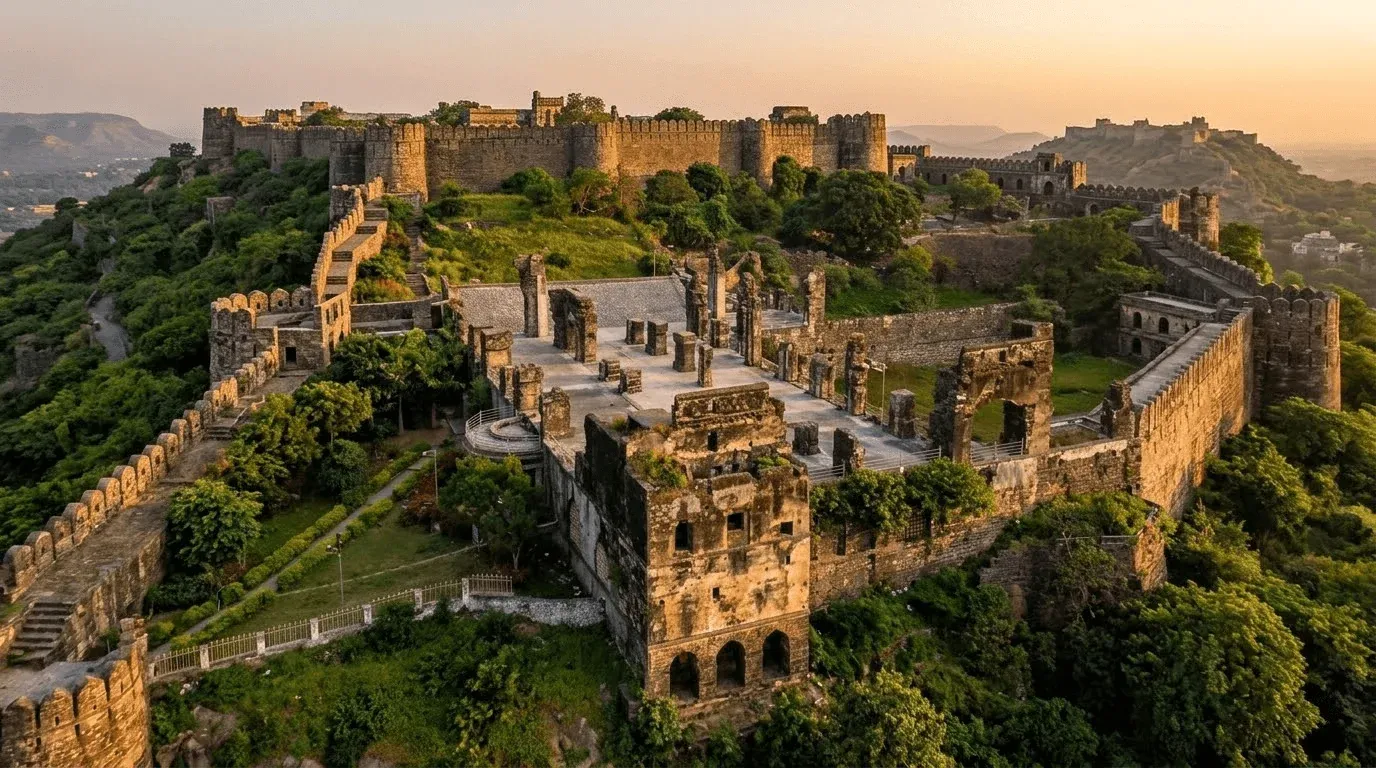
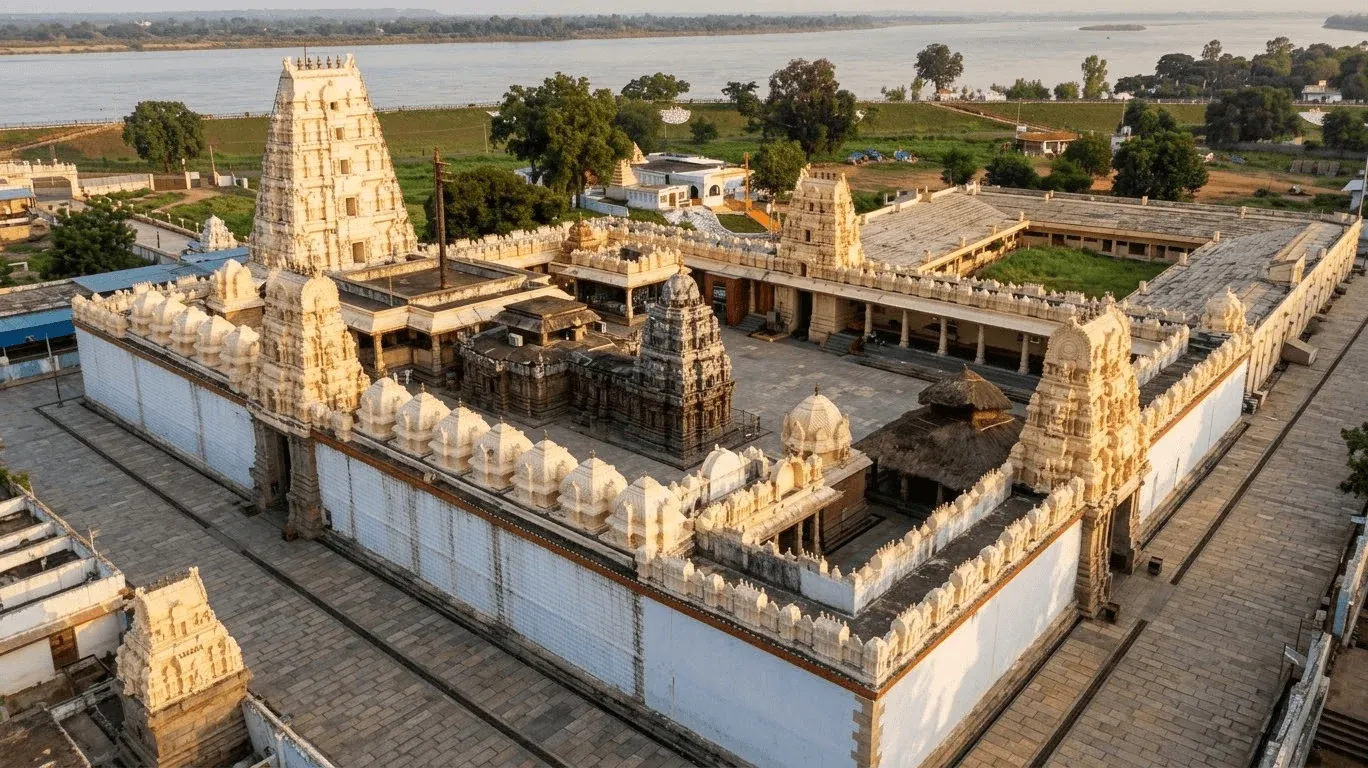
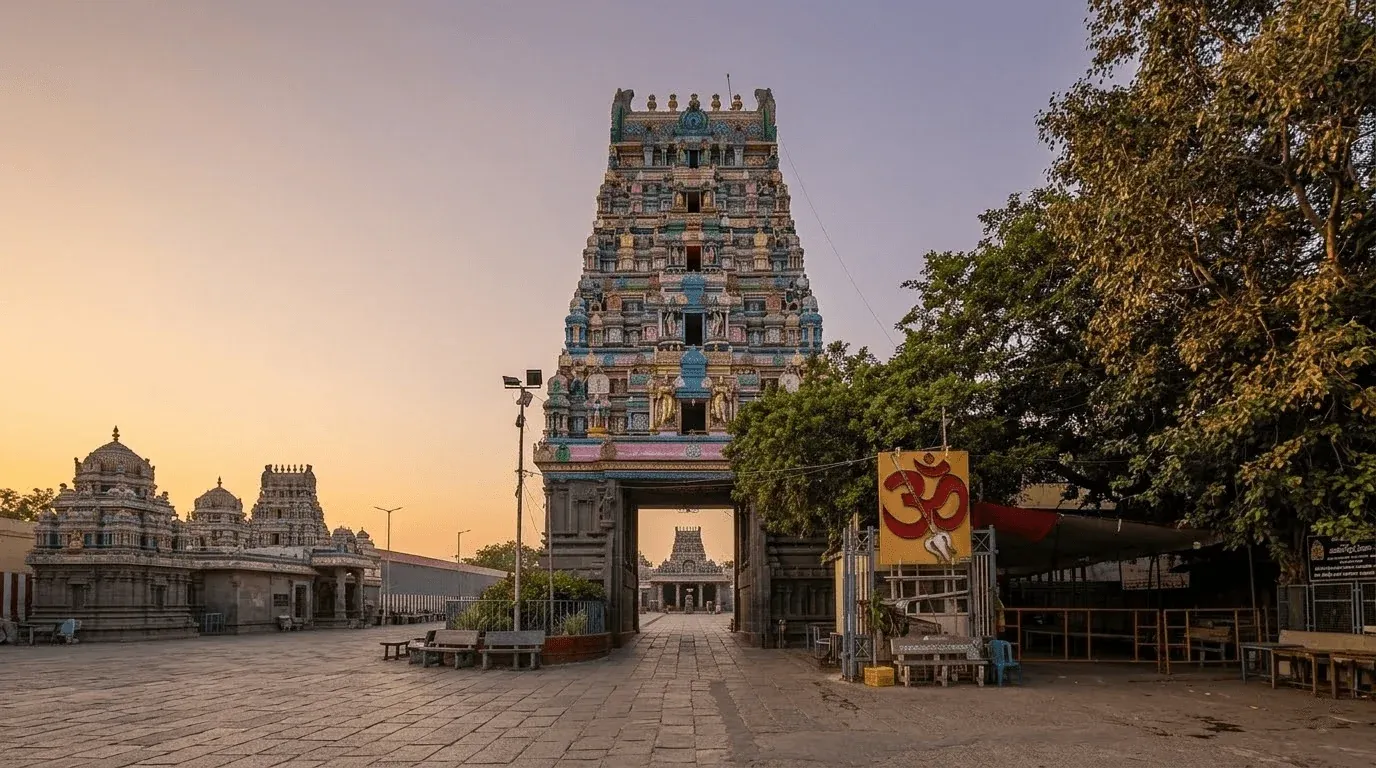
Undavalli Caves, a magnificent example of ancient Indian rock-cut architecture, stand as a testament to the exceptional craftsmanship of early Indian artisans. Located in Undavalli village of Guntur district, these four-storey caves were carved out of solid sandstone during the 4th to 5th centuries CE. The caves rise majestically from the surrounding landscape, offering visitors a glimpse into the sophisticated architectural and artistic achievements of ancient India.
Undavalli Caves
Ancient Rock-Cut Marvel
A Glimpse into the History of Undavalli Caves
Ancient Origins and Religious Significance
The Undavalli Caves date back to the 4th-5th centuries CE, carved during the reign of the Vishnukundina dynasty. These caves were created as Hindu monastic retreats and temples, dedicated primarily to Lord Vishnu in his reclining form. The choice of this location was strategic, situated on ancient trade routes connecting the Deccan plateau with coastal regions. The caves served as important centers for religious learning and artistic development during ancient times.
Architectural Evolution and Dynastic Influence
The caves showcase the architectural progression from early simple rock-cut chambers to more complex multi-storey structures. Different dynasties contributed to their development, with inscriptions indicating patronage from the Reddy kings of the 12th-14th centuries. The architectural style reflects a blend of Gupta and Chalukyan influences, demonstrating how different ruling dynasties enhanced and expanded the original cave complex over centuries.
Rediscovery and Preservation
Though known to locals for centuries, the caves gained broader recognition during British colonial era when archaeological surveys documented their significance. The Archaeological Survey of India has since taken measures to preserve and protect these ancient structures. Today, the caves are maintained as protected monuments, ensuring that future generations can continue to appreciate their historical, architectural, and spiritual value.
Cultural Significance
Undavalli Caves hold profound cultural significance as masterpieces of ancient Indian rock-cut architecture and living centers of Hindu spiritual practice. The caves represent the pinnacle of monolithic sculpture in South India, with the reclining Vishnu statue being considered one of the most impressive examples of ancient Indian artistry. The site continues to be an active place of worship, with daily rituals and festivals maintaining its religious importance in the modern era. The caves serve as educational centers where visitors can learn about ancient Indian architectural techniques, religious symbolism, and the cultural practices that have been preserved for over 1,500 years.
Major Attractions at Undavalli Caves
Reclining Vishnu Statue
The centerpiece of the cave complex is the magnificent five-meter-long statue of Lord Vishnu in his reclining form. This monolithic sculpture represents one of the finest examples of ancient Indian stone carving, with intricate details and serene expression that captivates visitors. The statue's sheer size and artistic quality make it the primary attraction for both devotees and art enthusiasts.
Rock-Cut Architecture
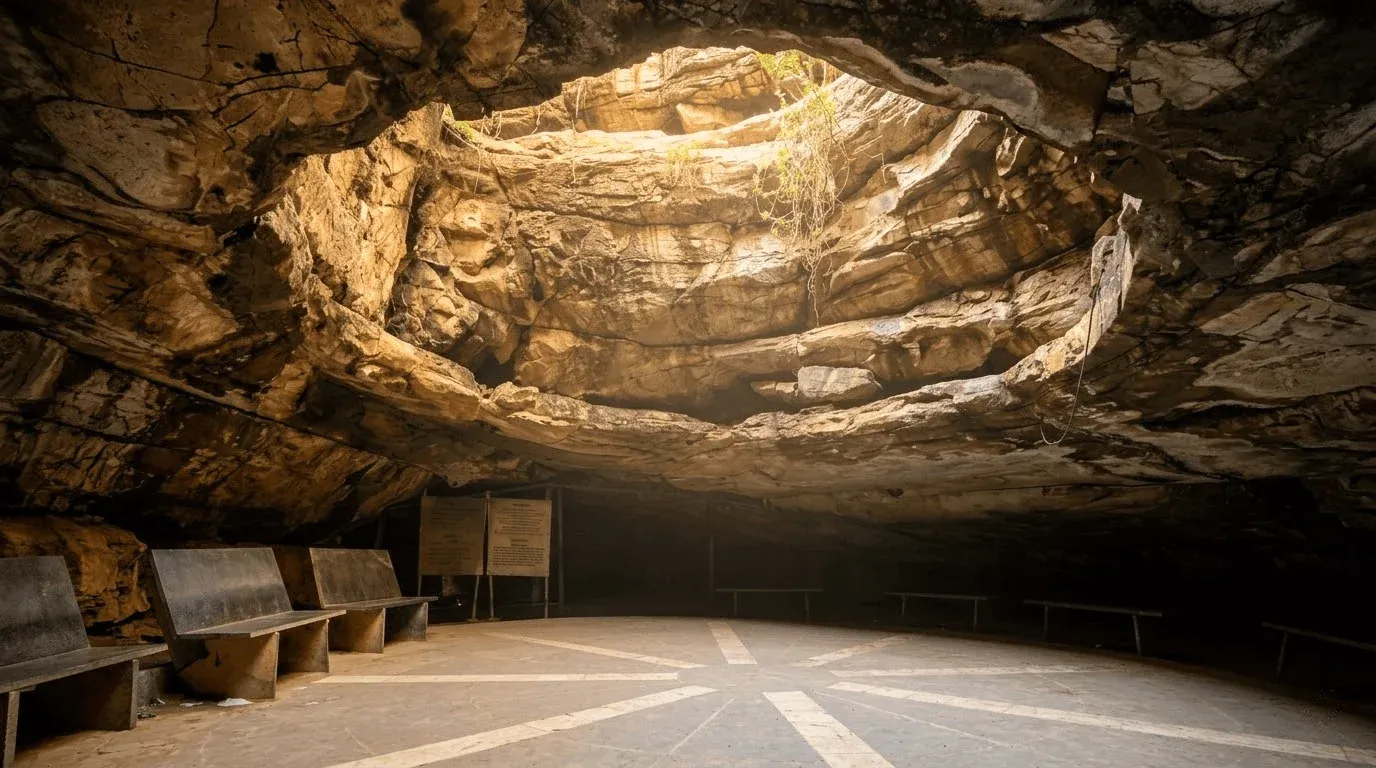
The four-storey cave complex showcases the evolution of Indian rock-cut architecture, with each level featuring different architectural elements and artistic styles. The intricate carvings on pillars, ceilings, and walls demonstrate the advanced technical skills of ancient craftsmen. Visitors can explore multiple chambers and shrines, each with unique architectural and artistic features.
Trimurti Shrines
The caves house shrines dedicated to the Hindu trinity of Brahma, Vishnu, and Shiva, representing the Trimurti concept in Hindu theology. These shrines feature elaborate carvings and sculptures that depict various mythological scenes and deities, providing visitors with insights into ancient religious beliefs and artistic traditions.
Special Highlight: Monolithic Marvel
What makes Undavalli Caves truly special is that they were carved entirely from a single massive sandstone hill, making them one of the finest examples of monolithic architecture in India. The craftsmen worked from top to bottom, removing stone to create the intricate cave system without any structural additions. The main cave features the impressive reclining Vishnu statue, which was also carved from the same rock as the cave itself. This engineering feat demonstrates the extraordinary skill and planning of ancient Indian artisans who could visualize and execute such complex structures from solid rock. The caves' four-storey design, with each level connected by carved steps, showcases advanced understanding of both architecture and structural engineering. The preservation of these caves for over 1,500 years, despite natural weathering and human activity, speaks to the exceptional quality of their construction and the enduring legacy of ancient Indian craftsmanship.
Travel Guide to Undavalli Caves
How to Reach Undavalli Caves
By Air: Vijayawada Airport (VGA) is located 26.5 km from the caves, with connecting flights to major Indian cities. Taxis and private vehicles are available from the airport to reach the caves.
By Train: Vijayawada Railway Station (BZA) is the nearest major railhead, situated 6.6 km from the caves. Regular auto-rickshaws and taxis are available from the station to reach the cave site.
By Road: The caves are accessible via the Vijayawada-Amaravati road, with good connectivity through APSRTC buses and private vehicles. The road journey offers scenic views of the countryside.
Best Time to Visit
The ideal time to visit is from October to March when temperatures range from 20°C to 30°C, providing pleasant weather for exploration. The winter months offer comfortable temperatures for exploring the caves and surrounding areas. Avoid visiting during peak summer months (April-June) when temperatures can exceed 40°C, making outdoor exploration uncomfortable.
Local Attractions
Vijayawada: Located 6.5 km away, major transport hub.
Kondapalli Fort: Situated 16 km from caves, historic fort.
Amaravati: Cultural town 35 km from the caves.
Tips for Visitors and Travelers
Wear modest clothing as this is an active religious site.
Photography may be restricted inside the caves; check with authorities.
Carry water and snacks as facilities are limited near the caves.
Remove footwear before entering the cave sanctums as per tradition.
Caves Location
Image Gallery